
Lab Work on Dosimetry
The practicum introduces students to modern methods and instruments for the dosimetry of ionizing radiation. It is based on the use of portable scintillation and gas discharge dosimeters, which allow measurements of the radiation background both in stationary laboratory settings and in the field – with GPS based location tagging.
Mobile applications (such as Atom Swift) and desktop software supplied with the dosimeters are used for instrument control, data acquisition, and visualisation.
The main objective of the practicum is to teach students how to operate modern portable dosimeters: to configure measurement modes, conduct statistically sound measurement series, visualise and analyse the acquired data, and correctly interpret the results from the perspective of radiation safety. In addition, the practicum reinforces knowledge of the fundamentals of nuclear physics, the nature of ionizing radiations, the mechanisms of their interaction with matter, and the methods of dosimetric monitoring.
For successful completion of the practicum, students should have a basic knowledge of:
• physics and mathematics (at the level of secondary school and the first year of university);
• computer skills: Windows operating system, office suites, and basic proficiency with spreadsheets (MS Excel, Origin, or similar) for data processing and visualisation.
Before starting the Lab Work, students are required to do the general safety and radiation safety training.
Lab Work Structure:
|
1.Introduction to Dosimeters Result: general understanding of the design and operating principles of portable dosimeters based on scintillation (CsI(Tl) with silicon photomultiplier) and gas‑discharge (Geiger–Müller counters) detectors. Familiarity with the design features, technical specifications, as well as software (for models supporting external applications) and built‑in control interfaces. Skills in connecting, adjusting measurement parameters, and operating in basic modes for various dosimeter models, including comparison of their capabilities. |
 |
|||
|
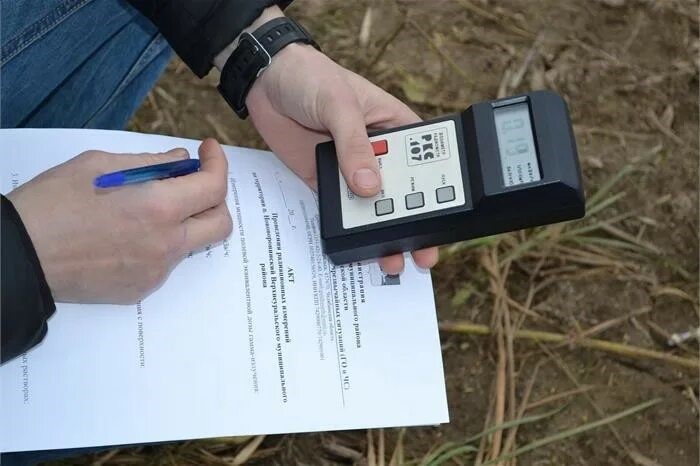
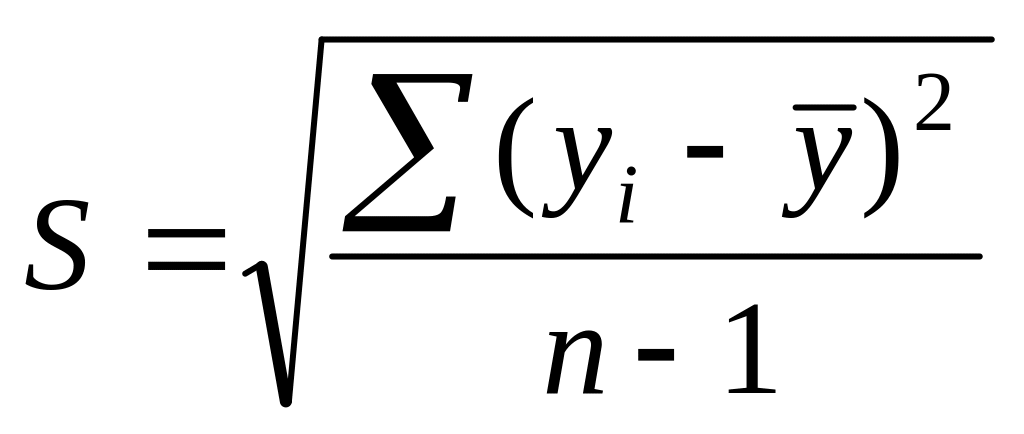
2. Measurement of the Natural Radiation Background and the Influence of Additional Factors Result: understanding the concepts of absorbed, equivalent and effective dose; familiarisation with the ICRP protocols and the Russian NRB 99/2009 standards. Skills in statistical processing of multi point scanning data, calculation of the mean, standard deviation and standard error of the mean. Identification of factors affecting background variations (radon, ventilation). |
 |
|||
|
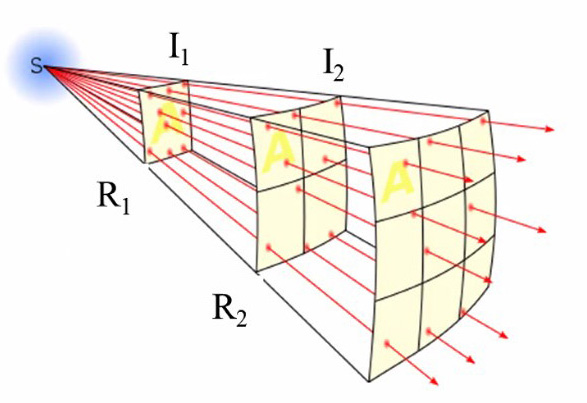
3. Investigation of the Dose Rate Dependence on Distance Result: experimental verification of the inverse square law for a point gamma ray source. Skills in processing experimental data using the least squares method; determination of the limits of applicability of the law. |
 |
|||
|
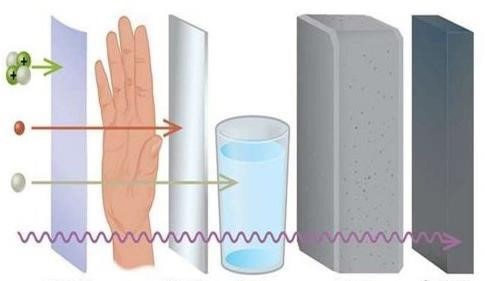
4. Analysis of Shielding Properties of Materials Result: understanding the exponential attenuation law for gamma radiation. Familiarisation with the main interaction processes of gamma quanta with matter (photoelectric effect, Compton scattering, pair production). Skills in calculating the half value layer and evaluating the shielding efficiency of various materials.
|
 |
|||
|
5. Dynamics of Dose Rate Variation during Source Movement Result: investigation of the spatiotemporal distribution of the radiation field. Understanding the dynamic generalisation of the inverse square law for a moving source (linear motion, circular motion). |
D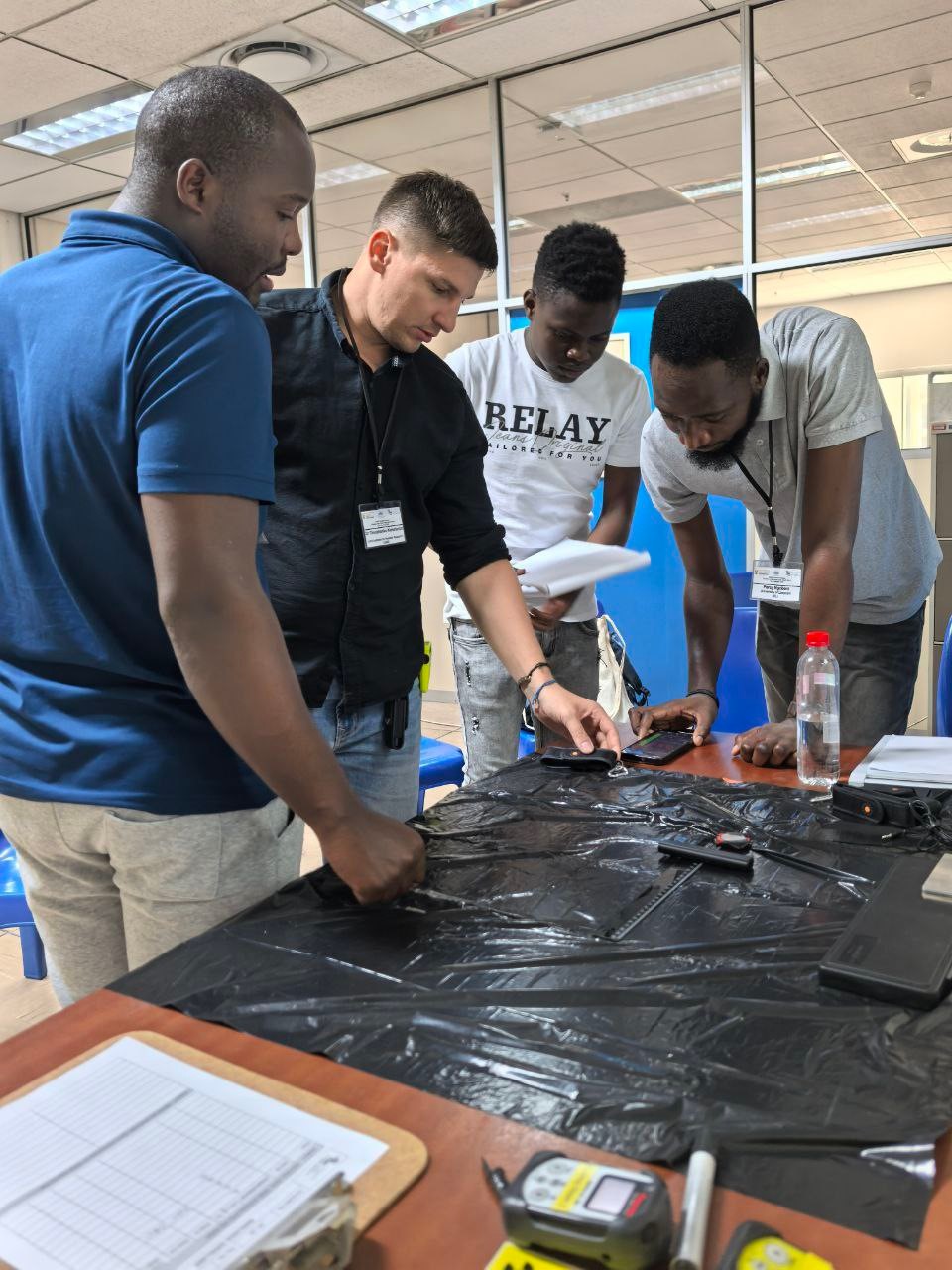 |
|||
|
6. Data Analysis and Processing Result: mastering statistical processing methods for radiation measurement results. Skills in estimating random and systematic errors, comparing experimental series using Student's *t* test, and constructing confidence intervals.
|
 |
|||
|
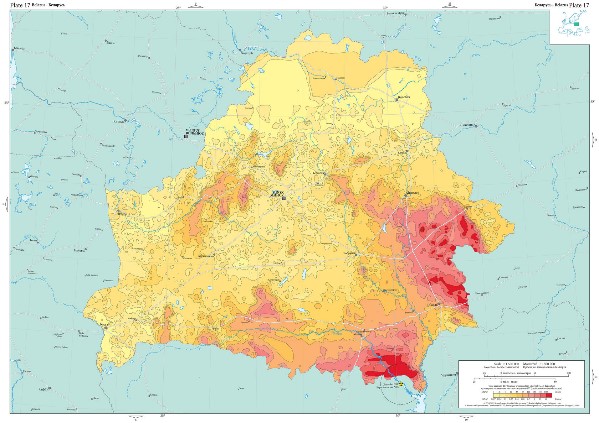
7. Geolocation Mapping of the Radiation Background Result: introduction to methods of collecting spatial radiation background data with GPS tagging. Skills in visualising data in GIS packages (Global Mapper Pro), constructing dose rate distribution maps, and identifying anomalous zones.
|
 |
|||
|
8. Final Assessment of Individual Radiation Dose and Completion of Dosimetric Records Result: mastering the principles and practice of individual dosimetric monitoring. Skills in filling out dosimetric documentation, calculating the accumulated dose and evaluating it against the NRB 99/2009 standards.
|
 |
|||